
Search
Close this search box.

      KEYNOTE
      SPEAKERS

      We are pleased to introduce the keynote speakers of the ECPA 2025 conference. This edition will feature three plenary sessions that bring together leading voices in European Policy, AgriFood innovation and Artificial Intelligence and Data sharing. Their insights will help us explore current challenges and future directions in precision agriculture, regulation, transformation of agrifood systems and the implementation of modern technologies as AI.

      Eric Liégeois

      Imagen3 keynote
      Smart Farming, Smart Policy: How Technology and EU Legislation Transform European Agriculture Monday 30 June: Vèrtex Auditorium (10:00 – 11:00)
      Eric Liégeois was graduated Chemical Engineer for Agricultural Industries, from the University of Gembloux (Belgium) in 1990. After first experiences as researcher, civil servant, and manager in various positions in the Belgian Federal Administration, he joined the European Commission in 2002, working successively at DG ENV, DG GROW, and since April 2018 at DG SANTE.

      In charge of the authorization of Plant Protection Products, in particular the biopesticides, low-risk products, he is leading the team in charge of biopesticides, basic substances, risk mitigation measures, and precision application techniques. He participates in the co-creation of Horizon Europe Calls for projects linked to plant health, biodiversity, farm-to-fork, and organics.
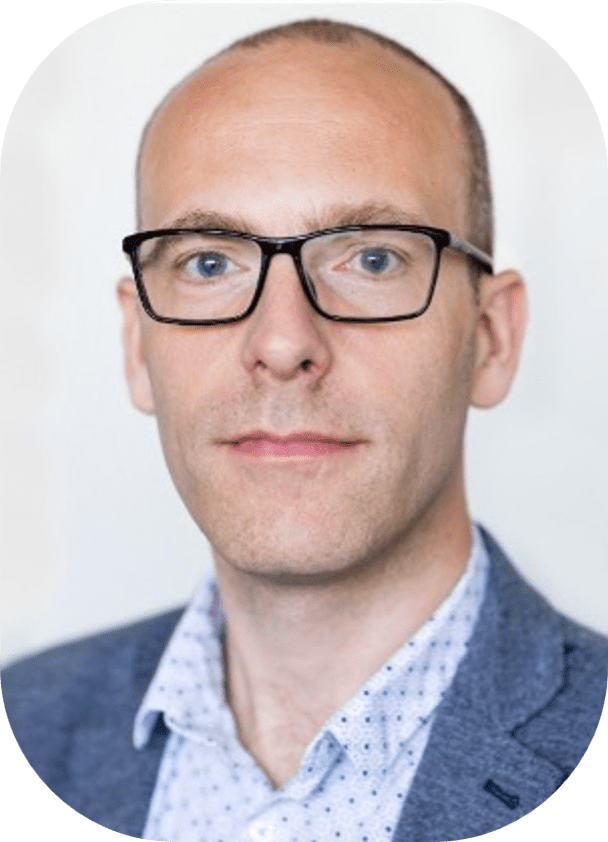
      Prof. Laurens Klerkx

      Imagen2 keynote
      Beyond Sensors: Human Challenges in Making  Precision Agriculture Work Tuesday 1 July: Vèrtex Auditorium (9:00 – 10:00)
      Laurens Klerkx is Full Professor of Agrifood Innovation and Transition at the Department of Agricultural Economics of the University of Talca, Chile, and visiting professor at the Knowledge, Technology and Innovation Group of Wageningen University, The Netherlands. Initially trained in plant production systems science for his master’s degree, he moved to doing social science on innovation in agrifood systems for his PhD degree (both obtained from Wageningen University).

      His current interests and expertise are in agricultural extension, agricultural innovation systems, transformative innovation policy, digital agriculture, and most recently agrifoodtech start-up ecosystems.

      Prof. Laurens Klerkx

      Imagen2 keynote

      With his team of PhD and postdoc researchers, as well as international colleagues, he has published widely on these topics over the past 20 years. He was editor-in-chief of The Journal of Agricultural Education and Extension and is currently editor of Agricultural Systems 
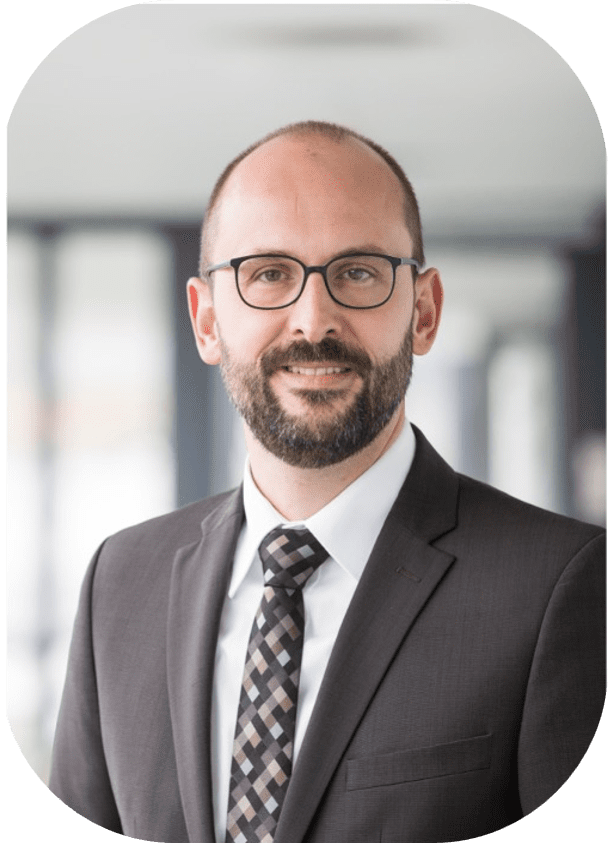
      Prof. Jörg Dörr

      Imagen1 keynote
      AI and data sharing in agriculture: a view on the present and an attractive, but challenging future Thursday 3 July: Vèrtex Auditorium (9:00 – 10:00)
      Prof. Dr.-Ing. Jörg Dörr is Full Professor and Chair of Digital Farming at the Department of Agricultural Engineering at RPTU Kaiserslautern, Germany, and part of the extended management board of Fraunhofer IESE, where he leads the institute’s Agriculture and Food activities. Initially trained in computer science with a minor in electrical engineering at the University of Kaiserslautern, he earned his PhD in 2010 on non-functional requirements in software engineering.

      His current interests and expertise lie in software and systems engineering, requirements engineering, data usage control, and digital agriculture. With a strong focus on applied research, he has worked extensively with industry and public institutions, especially in the context of smart farming technologies.

      Over the past two decades, he has led various research and innovation units at Fraunhofer IESE and published more than 150 scientific and industry-related articles. He has also been active as a university lecturer since 2006, covering topics such as agile methods, requirements engineering, and digital farming. He is currently the elected chairman of the German Society for Informatics in Agriculture, Forestry, and Food (GIL), and contributes to national and international expert networks and advisory boards on digitalization in agriculture.